```html
Best Base Materials for Long-Lasting Asphalt Driveways
The foundation of any durable asphalt driveway lies beneath the surface. While most property owners focus on the visible asphalt layer, the base materials you choose are equally critical to ensuring your driveway withstands Queensland's challenging climate for decades. In Redland Bay, where coastal conditions, temperature fluctuations, and heavy rainfall are common, selecting the right base materials can mean the difference between a driveway that lasts 15 years and one that requires expensive repairs within five years.
Understanding the Importance of Proper Base Materials
A properly constructed asphalt driveway installation involves multiple layers working together to distribute weight, manage water drainage, and prevent cracking and subsidence. The base layer is your first line of defense against the natural forces that deteriorate driveways over time. Without a solid foundation, even premium asphalt will eventually fail as the ground beneath shifts, water accumulates, and heavy vehicles exert pressure on weak support structures.
In Redland Bay specifically, the local soil composition and weather patterns demand particular attention to base material selection. The area experiences significant rainfall, particularly during summer months, which means proper drainage through your base layer is essential. Additionally, the proximity to coastal areas means salt spray and humidity can accelerate deterioration if your base materials don't provide adequate protection and drainage.
Crushed Rock and Gravel: The Traditional Foundation
Crushed rock remains one of the most popular and cost-effective base materials for asphalt driveway construction. This material, typically consisting of limestone, granite, or recycled concrete, provides excellent drainage and compaction characteristics. When properly graded and compacted, crushed rock creates a stable foundation that effectively distributes the weight of vehicles across a wider area.
The key to success with crushed rock is proper sizing and compaction. Most professionals recommend using a mix of different stone sizes, typically ranging from dust to 20mm particles. This variation allows smaller stones to fill gaps between larger ones, creating a denser, more stable base. In Redland Bay, where drainage is critical, crushed rock's permeability is particularly valuable as it allows water to pass through rather than accumulating beneath your driveway.
A properly installed crushed rock base should be compacted in layers, typically 100-150mm thick, using a vibrating roller or compactor. Each layer should be compacted to approximately 95% of its maximum density to ensure optimal stability. This layered approach prevents settling and provides superior support for your asphalt layer.
Recycled Asphalt Pavement: Sustainable and Effective
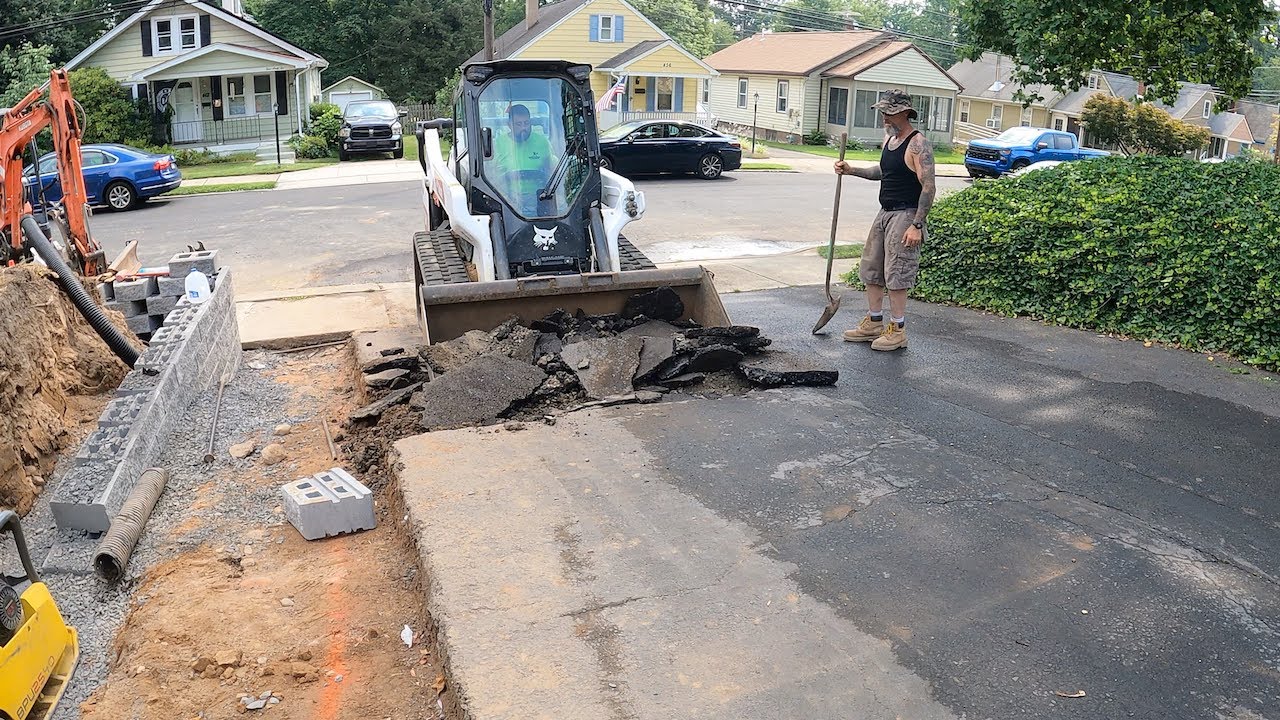
Recycled asphalt pavement (RAP) has become increasingly popular in recent years as both an environmentally responsible and highly effective base material. This material consists of old asphalt that has been crushed and graded for reuse. RAP offers several advantages for asphalt driveway installation projects in Redland Bay.
When RAP is compacted, the residual bitumen in the recycled material helps bind the particles together, creating a more cohesive base layer than standard crushed rock. This self-binding characteristic means your base layer becomes more stable over time, particularly as it experiences compaction from vehicle traffic. RAP also provides excellent drainage properties while maintaining structural integrity.
The sustainability factor cannot be overlooked. By choosing RAP, you're reducing demand for virgin materials and diverting waste from landfills. Many local asphalt carpark construction and driveway professionals in Redland Bay now recommend RAP as a standard base material option, and it typically costs less than premium crushed rock alternatives.
Recycled Concrete: Durability and Stability
Crushed recycled concrete is another excellent base material option that provides superior durability compared to natural crushed rock. This material, derived from demolished concrete structures, offers consistent particle sizing and excellent compaction characteristics. Recycled concrete is particularly suitable for areas experiencing heavy traffic loads, making it an ideal choice for acreage driveway installations where multiple vehicles or equipment may access the property regularly.
The angular shape of recycled concrete particles allows for excellent mechanical interlocking when compacted. This creates a very stable base that resists movement and settling. Additionally, recycled concrete provides better load distribution than rounded gravel, making it particularly valuable for preventing rutting and deformation under heavy use.
In Redland Bay's climate, recycled concrete's stability is particularly advantageous during wet seasons when ground conditions are less stable. The material's strength helps maintain the integrity of your driveway even when underlying soil becomes saturated.
Geotextiles: Adding an Extra Layer of Protection
Modern asphalt driveway construction increasingly incorporates geotextile fabrics between the subgrade and base layer. These synthetic materials provide several important functions that extend driveway lifespan, particularly in challenging environments like Redland Bay.
Geotextiles serve as a separator, preventing fine soil particles from migrating up into your base layer. This maintains the integrity of your base materials and prevents settling. They also improve drainage by allowing water to pass through while keeping soil particles in place. Additionally, geotextiles can reinforce weaker subgrades, distributing loads more effectively and preventing differential settling.
For properties with poor drainage or problematic soil conditions, geotextiles represent a worthwhile investment that can significantly extend your driveway's lifespan. They're particularly valuable in Redland Bay where heavy rainfall and coastal humidity can compromise subgrade stability.
Base Layer Thickness Recommendations
The appropriate thickness of your base layer depends on several factors, including expected traffic loads, soil conditions, and climate. For residential driveways in Redland Bay, a minimum base layer thickness of 100-150mm is typically recommended. For acreage driveway installations or properties with heavy vehicle traffic, 150-200mm is more appropriate.
The asphalt layer itself should typically be 40-50mm thick for residential applications, though this may vary based on traffic expectations. The combined thickness of base and asphalt layers works together to distribute vehicle loads safely and effectively.
Drainage Considerations for Redland Bay Properties
Proper drainage is absolutely critical for driveway longevity in Redland Bay's wet climate. Your base material selection should prioritize drainage characteristics. Avoid clay-based materials or fine soils as base materials, as these retain water and weaken over time.
Consider incorporating edge drains or crown slopes into your driveway design to direct water away from the structure. Permeable base materials like crushed rock or RAP allow water to drain through, but surface water should still be directed away from the driveway whenever possible. For properties with particularly poor drainage, a full drainage system with perforated pipes beneath the base layer may be necessary.
Installation Best Practices
Regardless of which base material you choose, proper installation is essential. The subgrade should be properly prepared, removing organic material and achieving adequate compaction. Base materials must be spread evenly and compacted in layers using appropriate equipment.
Professional asphalt driveway installation in Redland Bay should include proper grading to ensure water doesn't pond on the surface or accumulate beneath the driveway. The finished base should be smooth and well-compacted before the asphalt layer is applied.
Maintenance and Longevity
Even with excellent base materials, your driveway requires ongoing maintenance. Regular sealing every 2-3 years protects the asphalt surface and prevents water penetration that could damage your base layer. Prompt repair of https://zenwriting.net/edhelmwjvd/bitumen-driveway-drainage-upgrades-for-older-redland-bay-homes cracks and potholes prevents water from reaching the base materials.
With proper base materials, professional installation, and regular maintenance, your Redland Bay asphalt driveway should provide reliable service for 15-20 years or longer. The investment in quality base materials pays dividends through extended driveway lifespan and reduced maintenance costs.
Choosing the Right Material for Your Property
The best base material for your specific property depends on your budget, soil conditions, expected traffic loads, and drainage characteristics. Consulting with experienced local professionals who understand Redland Bay's unique conditions can help you make the right choice. Whether you're planning a residential asphalt driveway, an acreage driveway, or asphalt carpark construction, investing in quality base materials ensures your project delivers lasting value and performance.
```
Redland Bay Asphalt Driveways
5/50 Jardine Dr, Redland Bay QLD 4165, Australia
ph. (07) 3132 1203